Step Four: Saving for the FutureOnce your debts are paid, you can start saving for the future. It's crucial to expand your vision of who you are today to include who you want to be tomorrow. Also, if you're worried about losing your job and being unable to pay your bills while you look for a new one, saving eight months' worth of expenses in an emergency fund will give you the security you need. The best way to save is to put money away on the same day every month, as regularly as clockwork. Where do you find the money? A few places: 1.Take the money you had previously been applying each month toward your debt and put exactly the same amount into an account earmarked for savings.2.Keep careful track of your expenses for one month by going through all your checks, credit card charges and ATM receipts. Make a list of categories in which you spend: rent or mortgage, utilities, transportation, healthcare, groceries, meals out, entertainment, clothes. Where can you cut back by $50 or $100 a month and save this money instead? Some ideas: Go to the movies two times a month instead of three. Get your hair cut every six weeks rather than every five. Bring your lunch to work one day a week instead of eating out all five. And cut out just two gourmet coffees a week.3.Work overtime if you can, or find freelance work while you save for your emergency fund; it may be worth your while.As you build your Financial Freedom savings account, keep this money safe and sound and liquid in a money market account or a savings account with the highest possible interest. After you have your eight months' emergency fund, if you want to save additional money in a secure place rather than investing in the stock market, look into a bank or brokerage-house CD. (For a list of the highest-yielding money market accounts and CDs nationwide, see bankrate.com.) Saving for the future is how you stay secure and pave the road to your dreams. Please start saving now. By Suze Ormanhttp://www.oprah.com/
 Step Three: Getting Out of Debt
I want you to use the notes you made then to create a plan that will help you put your fears behind you and get out of debt. One of the worst kinds of debt most people face is credit card debt. If you can't pay the full amount you owe right now, here are the steps I want you to take. 1.Check your credit rating by logging on to myfico.com. Creditors use a rating system called FICO (Fair, Isaac and Company), which assigns a numeric value to your credit habits. It will cost you $12.95 to do so. To get the lowest possible interest rate on your credit cards, you need to have a FICO score between 720 and 850. If you're below 620, you're in trouble, and you can work with the simulator on the site to see how you can raise your score.2.Call your credit card companies. If your FICO score is good (above 720), tell each one that if it doesn't lower your interest rate, you'll be transferring the balance to another credit card company. To find great rates or better cards, log on to bankrate.com or lendingtree.com.3.Ask to have your credit limit lowered. If you continue to overspend, you can have the limit lowered to just the amount you would need in an emergency. 4.Pay more than the minimum amount due each month by as much as is possible to the highest interest rate card you have. When the balance is paid off, apply the entire monthly payment you were making on this card to the payments you are already making to the card with the second highest interest rate. And keep on rolling down like this until all your debt is gone.5.Find help. If you doubt that you can do this alone, contact the National Foundation for Credit Counseling (NFCC) to find one of their credit counseling services in your area (800-388-2227; nfcc.org). NFCC credit counselors are experienced, helpful, relatively inexpensive, and they can negotiate a lower rate and/or a repayment schedule for you.6.Feel proud of yourself.Taking the crucial steps to put your debt behind you, so that one day soon you can be more and create more for yourself.By Suze Ormanhttp://www.oprah.com/
 Step Two: Make a Commitment to YourselfNow, I want you to set your intention and make a commitment to yourself not to go backward. Here are three simple strategies to give you courage as you go forward. 1. Talk to someone you trust about your finances.Speaking openly about your fears is one of the best ways to make your intentions real. Tell your best friend how much credit card debt you have; she may surprise you by admitting she has more. Open a conversation about money with your spouse—but only if you can do so without any blame or guilt. The idea is to create a safe environment in which to face your fears and get beyond them. 2. Write an affirmation.Take out a piece of paper and write down a statement of the reality that you want to create for yourself. My favorite affirmation is "I have more money than I will ever need." Others I've heard: "I will be out of debt within a year." "I am capable of earning more than I need." "I will always be taken care of." Record it in your online journal. 3. Take one small step to correct a situation that's causing you fear.If you are in card debt, call one of your creditors and ask for a lower interest rate; if the answer is no, go to bankrate.com and research a lower-rate card that accepts balance transfers. (We'll talk more about this last suggestion next month.) If you worry about not having enough to pay for your kids' college education or to retire, see how it feels to put away an extra $25 or $50 or $100 in a money market fund this month—whatever you think you can afford. If you dread a job layoff and own a home with some equity in it, I want you to call a mortgage broker or a bank and open up an equity line of credit that could help you if this fear becomes a reality. By Suze Ormanhttp://www.oprah.com/
 Step One: Face Your FearsI'm going to use this space to take you on a financial journey, showing you the truest ways to protect the money you have and create the money that you deserve. I'm going to ask you to face your fears—starting now. Money is frightening to most of us, and this is an especially scary time. Stocks have fallen from their dizzying highs, and some of your retirement accounts may be way down. Credit card debt is a national epidemic. Job layoffs continue, yet the costs of housing, medical care and education do not seem to reflect that reality. Meanwhile, we all still feel vulnerable after 9/11. The first step toward a new sense of your own power is to know what you're afraid of. Take out a piece of paper and spend the time you need to write down your financial fears. Think about them. List them all. Are you afraid that you'll lose your job? Write down how you'd pay your monthly expenses if you did. If you don't know how you'd manage, that's okay; later in the year, I'll help you make a plan so you'll feel safe. Are you paralyzed because you can't face your debt? I want you to collect every current credit card and loan statement and list what you owe and at what interest rate you owe it; I promise there's a way to pay it off. Are you concerned you'll never have enough to buy a house, send your kids to college, take time off from work, or retire? Do a few simple calculations, and write down the amount of money you think you need to live the way you want. Unexamined fears turn you away from your money; facing your fears will bring you toward it. By Suze Ormanhttp://www.oprah.com/
 Before You Start Investing, Overcome The Five Obstacles1. Fear2. Cynicism3. Laziness4. Bad habits5. ArroganceReason No. 1. Overcoming the fear of losing money.If you hate risk and worry ... start early.People are so afraid of losing that they lose.Winning means being unafraid to lose.John D. Rockefeller, "I always tried to trun every disaster into an opportunity."If you have little money and you want to be rich, you must first be "focusd," not "balanced."Reason No. 2. Overcoming cynicism.Buyer's remose affects all of us.I hold a small portion of my assets in tax lien certificates instead of CDs. I look at them as 2 to 7-year CDs.My point is that it's those doubts and cynicism that keep most people poor and playing it safe.Cynics criticize, and winners analyze.Real estate is a powerful investment tool for anyone seeking finacial independence or freedom.'I don't wants' hold the key to success.A great property manager is key to success in real estate.Instead of analyzing, they close their minds to another powerful investment vehicle, the stock market.Reason No. 3. Laziness.Busy people are often the most lazy.Laziness by staying busy.So what is the cure for laziness? The answer is a little greed.The words "I can't afford it" shut down your brain."How can I afford it?" opened up the brain.Our world progresses because we all desire a better life.Reason No. 4. Habits.Our lives are a reflection of our habits more than our education.The habits of the rich.I pay myself first, even if I'm short of money.Reason No. 5. Arrogance.You can build a better network of investment if you are not humble.By Robert T. Kiyosakihttp://sunset.usc.edu/Research_Group/
 Take Care Where Mountain Biking Mountain biking is considered a relatively safe sport, as accidents typically result in minor injuries. However, over the past 25 years, the sport has grown from a pastime to an Olympic sport, and major injuries are becoming more prevalent. In an article from The American Journal of Sports Medicine published by SAGE Publications, three mountain biking injury cases that resulted in acute cervical spine injuries resulting in tetraplegia, commonly called quadriplegia, are reported. Previously published research on this subject have commonly only noted serious neck injuries, and no detailed reports have been made on cervical spinal cord injuries in English literature. In each of the three cases, male mountain bikers, ranging in age from 38 to 53 years old, were severely injured. In all the three cases, the bikers reportedly fell over the handlebars, and the helmet was the first to receive the impact of the fall. In the first case, the biker's front wheel came off during a downhill ride, and in the second case, there was a lack of hazard warnings on the trail--both potentially preventable causes. The severe impact of the accidents resulted in damage to the helmets (in one case, the impact of the fall caused the biker's helmet to split into two pieces). All three mountain bikers lost the ability to move their limbs. Although a CT or MRI scan ultimately showed the severe cervical spine injuries, in one case the diagnosis was initially overlooked. This was possibly due to the incoherent state of the injured biker that resulted from a head injury. The authors reported that as cerebral concussions are not uncommon in mountain biking injuries, a spinal injury must be assumed in an injured biker with abnormal mental status until proven otherwise. The authors conclude that preventable causes of mountain biking accidents can result in serious cervical spine injuries. It is essential that medical teams attending to the injuries are aware of this and take proper precautionary steps to diagnose these injuries. When no injuries are found on radiographs, a CT and/or MRI scan may be useful in further diagnosis. By sciencedaily.comhttp://www.sciencedaily.com/
 Know About The Damages So That You Can Decide BetterChemical Present In Clear Plastics Can Impair Learning And Cause Disease (April 13, 2005) -- Low doses of the environmental contaminant bisphenol--A (BPA), widely used to make many plastics found in food storage containers, including feeding bottles for infants, can impair brain function, ... > full storyComponent Of Plastic Stimulates Growth Of Certain Prostate Cancer Cells (January 20, 2005) -- An estrogen-like chemical commonly used to synthesize plastic food containers has been shown to encourage the growth of a specific category of prostate cancer cell, potentially affecting the ... > full storyMcGill Researchers Shed Light On Formation Of Carcinogen In Processed Food Products (February 7, 2005) -- Furan, a potentially dangerous chemical, has been found by Health Canada and the U.S. Food and Drug Administration (FDA) in processed foods, especially canned or bottled foods. A new study by McGill ... > full storyPlastic Chemicals Could Be Cause Of Reproductive, Weight Problems, MU Researchers Say (October 21, 1999) -- Over the past decades, researchers have reported a dramatic increase in the number of overweight Americans, reproductive deformities and the number of youth reaching puberty at early ages. In an ... > full storyBy sciencedaily.comhttp://www.sciencedaily.com/
 Money & HappinessMoney and happiness are two of the most powerful forces in our lives, but what's so interesting to me is how we've convinced ourselves that there's a powerful connection between them: We seem to think that if we were rich, our lives would be perfect. My friends, I hope I can convince you otherwise. The Money MythIn my years of talking to thousands of people who've had no money, some money, and heaps of money, I've found that it doesn't create or sustain happiness. That's not to say that money isn't an important factor in our emotional state—if we can't pay our bills and support our families, we carry a great deal of stress on our shoulders and in our hearts. But it's seriously flawed logic to jump from a position of "money is important" to "money is the key to happiness." Need some proof? How about the articles we've all read about lottery winners who buy a ton of goodies after they hit the jackpot, but within a few years tell the world how out of control and miserable their lives are? It reminds me of how some of us have a screwy relationship with food. When we're unhappy, we gorge on comfort foods that we believe, either consciously or subconsciously, will make us feel better. Sure, that hot fudge sundae might give us a nice temporary lift, just like buying a great new handbag or outfit—but it's temporary. Truth and ConsequencesThe average U.S. household has a credit card balance of about $8,000. It's hard to be happy when you carry an $8,000 balance on a credit card that charges 18 percent interest. My message to you is that happiness is not tied to how much money you have—how much you had in the past or hope to have in the future—but how you deal with what you have right now. I want to be very clear that I fully understand that it's far more difficult to live on $20,000 a year than $200,000. I know this from personal experience; until I was 29, I was a waitress bringing home $400 a month. But I also know that we all have the capacity to take control of our lives—regardless of our bank accounts—and to commit to making the right decisions for ourselves and our family. When we do that, we're on the road to happiness. When you're happy, you create your own financial stability by living within your means. Power MovesIn my experience, most people are unhappy because they aren't being honest with themselves. Being truthful with yourself plugs you into your inner power. Whether it's your relationship with money or with a partner, you aren't going to be content or successful until you are connected to your heart and operating with all your energy. Quite simply, by making the right choices from a position of strength rather than weakness, you are bound to be happy. In part you'll feel better because your finances are in good shape, and also because you took the initiative to create a life based on honesty. In my book, that's the priceless route to ultimate happiness. By Suze Ormanhttp://www.oprah.com/
 Yes, There Is A Better Way To Retirement.Like the woman who asked about planning for her retirement, many people are worried about whether they can afford to stop working. While saving for the future is important, I wish more people would look at the other half of the equation: If you reduce your living costs, you won't need to save as much. Chances are, your mortgage is your single largest living expense, so just think how much easier life will be if you pay off your mortgage before you retire. Of course, even if you pay off the mortgage, you'll still need to cover your property tax and home insurance, but that's a small amount compared to most mortgage balances these days. You're probably wondering what magic trick you need to master to pull this off. But don't worry, no magic required. Let's tackle this one step at a time. All of this advice assumes you plan to stay in the home you currently live in. Make sure you are paying the lowest possible interest rate on your loan. If your mortgage is above 7.5 percent and you have a good credit rating, please look into refinancing at a lower rate.Once you have the lowest possible interest rate, commit to making extra payments (check with your lender to see if there is a prepayment penalty). If you make just one extra mortgage payment a year on a 30-year loan at 6 percent interest, you'll reduce the term of the loan to 24.7 years. On a $150,000, 30-year mortgage, that means paying $36,831 less in interest. The best way to do this is to divide your monthly mortgage payment by 12.That number is the amount you should add to your regular monthly payment. On this $150,000 mortgage, that would be an extra $75 a month.Your lender may encourage you to switch to a biweekly mortgage as a way to pay off your mortgage faster. But a biweekly mortgage is no different from making one extra payment a year. There are 52 weeks in a year, so biweekly comes to 26 payments, which is the same as 13 monthly payments. The problem is that many lenders will charge $300 or more to set up the biweekly arrangement, and you might be hit with additional service charges of $5 or so for every payment. Now you may not think that's a big deal, but over 25 years at an annual average rate of return of 8 percent, that comes to about $9,500. That's a lot of money to waste when you can arrange the payments yourself.By Suze Ormanhttp://www.oprah.com/
 Aspirin UsesLow-dose Aspirin Shown To Reduce Risk Of First Stroke In Women (March 23, 2005) -- In a long-awaited clinical trial conducted among nearly 40,000 initially healthy middle-aged American women, regular use of low-dose aspirin over a 10-year period was found to reduce the risk of ... > full storyResults Of Yale Study Confirm Aspirin Helpful In Preventing A First Heart Attack (November 27, 2000) -- An overview by a Yale researcher of four studies examining the use of aspirin and the reduction of heart attacks in persons with no previous history of cardiovascular disease shows aspirin remains a ... > full storyAspirin, Vitamin E Show Little Effect In Preventing Cancer (July 8, 2005) -- The Women's Health Study (WHS) -- the largest randomized clinical trial to investigate the impact of aspirin and vitamin E on the primary prevention of cardiovascular and cancer risk -- has ... > full storyNHLBI Study Finds High-Normal Blood Pressure Increases Cardiovascular Risk (November 6, 2001) -- High-normal blood pressure significantly increases the risk of heart attack, stroke, and heart failure, according to a new study supported by the National Heart, Lung, and Blood Institute (NHLBI). ... > full storyBy sciencedaily.comhttp://www.sciencedaily.com/
 Know Them Before You Engage Into ItThere are several different types of sexually transmitted infections (infection you can only catch through having sex with a partner). Using a condom is not 100% guarantee of not catching a STI but it does offer good protection. STI’s will not go away unless treated and some of them are easy to treat. Sexually Transmitted Infections cannot always be recognised because some do not have any signs or symptoms. If you think you may be at risk of an STI you should seek advice. However, some general signs to look out for are:Unusual discharge from the penis or vagina Rashes around the genitals Itchiness around the genitals Sores around the genitals Blisters and bumps around the genitals Pain in the genital area Burning sensation when peeing or having sex Peeing more than usual Commonly known STIs and other infections Genital warts Pubic lice (crabs) Chlamydia HIV Gonorrhoea Hepatitis A,B & C Syphilis Thrush NSU (non-specific urethritis) TV ( trichomonas vaginitis) Genital herpes (HSV) BV (bacterial vaginosis) Where to go for helpSexual health services e.g. genitourinary medicine clinic Young people’s clinic e.g. Brook Doctor Family planning clinics It is very important to get checked out if you think you might have an STI. If we leave some STI’s untreated we can seriously damage our health and may not be able to have children in future. Help and advice about STI’s can be found at the doctor’s surgery, from a genitourinary medicine (GUM) clinic or sexual health clinic. All treatment is free and confidential. YOU DO NOT HAVE TO BE SIXTEEN TO GO TO A SEXUAL HEALTH SERVICE OR TO ASK YOUR DOCTOR FOR HELP AND SUPPORT.If you have an STI the doctor will help you tell anyone you’ve had sex with. They will also need to get checked out. People often do not have signs that they have an STI and only find out if their partner tells them they may have an infection.By mindbodysoul.gov.ukhttp://www.mindbodysoul.gov.uk/sexual/stis.html
 What You Should Do After Divorce?After you've extricated yourself from any loans, bank accounts, and credit cards you may have shared with your ex, you can turn your attention to building up your assets and financial security. Here are three ways to prepare yourself for a fearless, confident future: Build an emergency fund. Okay, so you're still feeling raw and maybe a little scared to go solo. Focus on giving yourself a security blanket. Figure out how much you would need to live on for eight months, and then sock that amount away in a savings account. Once you have those savings, you'll be taken care of no matter what happens—a layoff, a loved one's illness. If you received a payout in the divorce, you may have your peace-of-mind fund already. If not, don't stress. Just set up a monthly direct deposit—have the money transferred from your checking account into a savings account (www.emigrantdirect.com, with a 3.5 percent interest rate, is a great place to store your cash).Get the match. If you work for a company that offers a 401(k) or 403(b) retirement plan and kicks in a matching contribution, you must join and contribute enough to get the match. I've said it before: That matching contribution is no different from a bonus. If you find your plan's menu of fund choices intimidating, see if it offers an all-in-one fund (it's typically called a life-stage fund). This is geared toward your age and will have a mix of stocks and bonds appropriate for you. If there's no such fund, look for an index fund that mimics the performance of a large basket of stocks, such as the S&P 500 or the Wilshire 5000.Fund a Roth. If your income is below $95,000 a year, you're eligible to fully fund a Roth IRA (this year you can put in $4,000 if you're under 50 and $4,500 if you're 50 and over). Assuming you have at least ten years until you retire, a no-load index mutual fund, such as the Vanguard Total Stock Market Index Fund, is a great choice. You don't get a tax break when you invest in a Roth, but when you retire and pull the money out, there will be no tax on your contributions or your earnings. So think of your Roth as a standby emergency fund.By Suze Ormanhttp://www.oprah.com/
 Healthy Crabmeat For DinnerIngredients1vegetable cooking spray ½cup chopped celery 1cup chopped sweet red or green pepper 2Tbl chopped fresh parsley 1tsp prepared mustard 1/8tsp ground white pepper 1/8tsp ground red pepper 1/8tsp hot sauce 2eggs, lightly beaten 1/3cup reduced-calorie mayonnaise 2lbs fresh lump crabmeat, drained and flaked DirectionsCoat a nonstick skillet with cooking spray; place over medium-high heat until hot. Add celery and chopped pepper; sauté until tender. Remove from heat; stir in parsley and next 4 ingredients. Combine eggs and mayonnaise; stir with a wire whisk until smooth. Stir in celery mixture; add crabmeat, stirring gently. Spoon into baking shells; place on a baking sheet. Bake at 375 degrees for 20 minutes. Nutrition Information Per Serving
Calories 153Carbohydrate 2.2gProtein 21.4gFat 6g
Fiber 0.5gCholesterol 125mgSodium 1190mg
Exchanges 3 MeatsBy Jenny Craighttp://www.jennycraig.com/
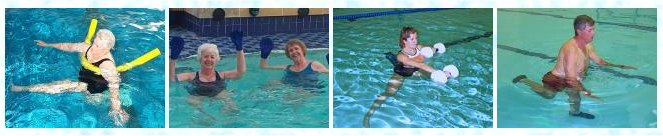
 Doing Workout In The WaterWater workouts are a great way to keep fit. Because of its unique physical properties, water provides the ideal environment for exercise. The natural buoyancy of water reduces weight bearing stress, allowing greater ease of movement with less strain on bones, joints, and muscles. The increased density of water creates even and fluid resistance, comfortably toning and strengthening muscles with greater balance and efficiency. Water aerobics is the perfect answer to your fitness needs or goals because it is adaptable to all personal conditions, illnesses, injuries and post surgeries. You can target specific body areas to exercise, or combine several movements into a complete head-to-toe activity. Water exercises are a proven way to increase your metabolism, build muscle tone and strength, improving balance, coordination and range of motion, and relieve tension — all with pain-free, low impact movements. Plus, both non-swimmers and swimmers can perform water exercises because you choose your water depth.Is there anyone who wouldn't be interested in an exercise program that: Gives the benefit of a two-hour workout in thirty minutes? Burns twice the calories of land exercises? Is painless and doesn't make you sore? Is fun and provides numerous health improvements? Is easy to understand, apply, and individualize? Doesn't get your hair wet or make you sweat?By megafitness.comhttp://www.megafitness.com/
 Blood Sugar Control is Vitally ImportantGlucobetic is the most comprehensive natural product available to provide nutritional support for efficient blood sugar metabolism.
Research studies in the United States and abroad have found that improved blood sugar control benefits people with either type 1 or type 2 diabetes. In general, for every 1 point reduction in A1c, the risk of developing diabetic complications (eye, kidney and nerve disease) is reduced by up to 40%. The American Diabetes AssociationNow is a great time to focus on fitness, a healthy diet and bringing your blood sugar under control. Glucobetic is there to help you reach your blood sugar goals. See Glucobetic Ingredients“Diabetes, perhaps more than any other chronic disease, must be managed in large part by the patient.” Biologist and medical writer Gretchen Becker in USA Today April 16, 2002
Balancing Your Blood Sugar Has Become Simpler Than Ever.Glucobetic is a nutritional supplement - not a diabetic medication or a drug. This exclusive formula promotes and encourages the body’s natural mechanisms to balance blood sugar levels.
The most effective strategy against the degenerative effects of high blood sugar is an integrated approach. You have new choices...We'd like to report that a cure for diabetes is just around the corner. But we can't, because it isn't. However, changes in diet and lifestyle along with nutritional supplements can make a major difference in helping your body regulate and balance itself.The specific ingredients in Glucobetic are being used by progressive physicians and natural healers to care for their patients. However, these ingredients have never been available in a single formulation. It used to be necessary to buy three or even four different products to equal the strength, potency and broad range of ingredients found in Glucobetic. Glucobetic works.We've done your homework for youEach one of Glucobetic ingredients has merit individually, but you receive the combined benefits of all 11 of these powerful herbs, minerals and botanicals in a single product. Now it's up to you to benefit from this breakthrough product based on cutting-edge research from a source you can trust. By flourishdiabetes.comhttp://www.flourishdiabetes.com/
 Why is There Protein In Your Urine When You Do A Full Body Checkup?Proteinuria is an abnormally high amount of protein in the urine. Proteins in the blood, like albumin and immunoglobulin, help coagulation (clotting), balance bodily fluids, and fight infection. The kidneys remove wastes from protein-rich blood through millions of tiny filtering screens called glomeruli. Most proteins are too large to pass through the glomeruli into the urine. The glomeruli are negatively charged, so they repel the negatively charged proteins. Thus, a size and charge barrier keeps protein molecules from entering the urine. But when the glomeruli are damaged, proteins of various sizes pass through them and are excreted in the urine. Types The following five types of proteinuria are distinguished by milligrams (mg) of protein measured during a 24-hour urine collection: 1. Microalbuminuria 30 - 150 mg2. Mild150 ? 500 mg3. Moderate500 ? 1000 mg4. Heavy1000 ? 3000 mg5. Nephrotic rangemore than 3500 mgAs kidney disease progresses, more protein enters the urine. People with nephrotic-range proteinuria typically have extensive glomeruli damage and usually develop nephrotic syndrome.
Causes and Risk Factors Hypertension and diabetes are the two biggest risk factors for proteinuria. Old age and weight gain also increase the risk. The following conditions cause proteinuria: Acute glomerulonephritis Amyloidosis (protein deposits associated with chronic disease) Focal glomerulonephritis Hypertension IgA nephropathy Mesangial proliferation Minimal change disease Signs and Symptoms Foamy urine and swelling (edema) are two signs of proteinuria that become more evident as the disease progresses. Excess protein can cause the urine to foam in water. This occurs because protein changes the surface tension between urine and water. Edema usually only occurs in nephrotic range proteinuria. Albumin is particularly useful in absorbing bodily fluid into the blood. Because the albumin molecule is relatively small, it is often among the first proteins to enter the urine after glomeruli are damaged. Therefore, even minor kidney dysfunction is detectable with proper diagnosis of micoralbuminuria. Reduced albumin level in the blood causes fluid retention and swelling that is first noticeable in the hands, lower legs, and feet. In more serious cases, the abdomen and face may swell. Orthostatic proteinuria is a disorder seen occasionally in children and young adults who leak significant amounts of urine when they are upright (orthostatic). Presumably, standing increases the pressure on the glomeruli and causes more protein to enter the urine, while lying down relieves pressure and causes less protein leakage. This is a benign disorder that most young people outgrow. Complications Hypertensive people who develop proteinuria stand a significant chance for kidney failure. African Americans are 20 times more likely than Caucasians to develop hypertensive-related kidney failure. Proteinuria in people with diabetes may be a sign that kidney disease is worsening. Microalbuminuria is often cited as a risk for coronary artery disease (CAD) and is often diagnostic of it and related cardiovascular conditions. By nephrologychannel.comhttp://www.nephrologychannel.com/proteinuria/
 Learn From This StoryThe No. 1 expense for most people is taxes. Their spending habits have caused them to seek more income.They don't even know that the trouble is really how they choose to spend the money they do have, and that is the real cause of their financial struggle.The power of the sword, the jewel and the mirror.Remember the golden rule. He who has the gold makes the rules.Many great financial problems are caused by going along with the crowd and trying to keep up with the Joneses. The most important rule is to know the difference between an asset and a liability. Once you understand the difference, concentrate your efforts on only buying income-generating assets.Definition of wealth by Buckminster Fuller:Wealth is a person's ability to survive so many number of days forward... or if I stopped working today, how long could I survive?Just remember this simple observation:The rich buy assets.The poor only have expenses.The middle class buys liabilities they think are assets.By Robert T. Kiyosakihttp://sunset.usc.edu/Research_Group/
 Rule OneYou must know the difference between an asset and a liability, and buy assets. It is Rule No. 1. It is the only rule.KISS principle --- Keep It Simple Stupid.If you want to be rich, you've got to read and understand numbers.The rich acquire assets and the poor and middle class acquire liabilities."This is the Cash Flow pattern of an asset." An asset is something that puts money in my pocket.A liability is something that takes money out of my pocket.Income: Paycheck Dividends Interest Rental Income RoyaltiesExpense:Taxes Mortgage Fixed Expense Food Clothing Fun TransportatonAsset: StocksBonds Notes Real Estate Intellectual PropertyLiability:Mortgage Consumer Loans Credit Cards
 More Money will often not solve the problem; in fact, it may actually accelerate the problem.Today, kids want to be basketball stars, golfers like Tiger Woods, computer nerds, movie stars, rock stars, beauty queens, or traders on Wall Street. Simply becasue that is where the fame, money and prestige is. That is the reason it is so hard to motivate kids in school today. They know that professional success is no longer solely linked to academic success, as it once was.By Robert T. Kiyosakihttp://sunset.usc.edu/Research_Group/
 There Is A Need For Financial Education
Does school prepare children for the real world?Why should I put time into studying subjects I will never use in real life?The richest people didn't get rich because of their educations.The world around us has changed, but the advice hasn't.Getting a good education and making good grades no longer ensures success, and nobody seems to have noticed, except our children.I have been concerned by the lack of financial education our children receive in school.Without financial literacy and the knowledge of how money works, they are not prepare to face the world that awaits them, a world in which spending is emphasized over savings.One of the reasons the rich get richer, the poor get poorer, and the middle class struggles in debt is because the subject of money is taught at home, not in school.I can't afford it. vs. How can I afford it?By asking the question "How can I afford it?" your brain is put to work.Proper physical exercise increases your chances for health, and proper mental exercise increases your chances for wealth. Laziness decreases both health and wealth.I noticed that my poor dad was poor not because of the amount of money he earned, which was significant, but because of his thoughts and actions.
By Robert T. Kiyosakihttp://sunset.usc.edu/Research_Group/
 Why Do You Want To Bodybuild?Muscle BuildersBuilding muscle is not easy. These supplements help you get big and strong faster than ever! Includes creatine, protein, prohormones, test boosters and much more.Fat Loss ProductsLearn what products will help you lose fat the quickest! Categories like thermogenic fat burners, stimulant free, appetite suppressants, carb blockers and much more.Energy EnhancersToo tired for your workout, or just to get through the workday? Check out our energy enhancer product categories.Contest PrepEverything you need to compete in a bodybuilding or fitness contest. Includes tanners, suits, oils, videos, and more.Joint SupportYour workouts can really take their toll on your joints. Prevent and fix pain in your joints with these amazing products!Sex HealthFace it, you need help. These products will increase your libido and help you have a better sex life!Mind HealthThese are the products that help your memory, mood, concentration and can help you reduce stress.Sports ImprovementFind the products that will help you excel in your sport, and become a better all around athlete.PreventionStay healthy with products with these categories: Immune System Support, Detox, Anti-oxidants and more.Male & Female SupportProducts just for a man or just for a woman. Our needs are different!Total WellnessOverall health or specific system products. Categories include Anti-Aging, Digestive System Health, Liver Health, Vitamins and Minerals, and more!By Bodybuiling.comhttp://www.bodybuilding.com/