 What You Should Do When Refinancing Your Home Loan?If you have a current mortgage and are unhappy with the interest rate or the amount of the monthly payments, it is possible to refinance your home and eliminate your problems. But before you call your lender, there are some questions that you should ask yourself in order to determine whether or not it’s the right time for refinancing your mortgage loan.The first question that you should ask yourself is if you have the cash on hand to pay the fees. Depending on the amount of your mortgage, and the specific fees that your lender will charge, you could pay anywhere from a couple of hundreds dollars to a few thousand. Be sure that you’re financially ready for the move before applying for the loan.Next, you should take a look at the current interest rates compared to the ones on your existing mortgage, and then decide whether or not a refinance would help your situation. For example, if you have an ARM mortgage, and the interest rates are at an all-time low, you might want to refinance your loan and turn it into a fixed rate so your payments won’t go up again as rates rise. In addition, if you have a fixed rate, but bought your home when interest rates were higher, you might want to refinance in order to lower yours.If you find yourself with a lot extra debt, you could take advantage of a cash-out refinance loan. With this type of loan, you add on an amount to your home loan, refinance the entire thing at a lower interest rate, and then take the “extra” money out and pay off your debt. This will allow you to reduce the amount of debt you owe (because the interest rate will be lower), and at the same time, reduce the amount of the monthly payment.Most experts agree that you shouldn’t go to the trouble or expense of refinancing your home if you don’t intend to stay in it for at least three years. Otherwise the cost of the process would likely be more than the overall savings.By Carrie Reeder http://www.universalwealthcreation.com/
 Cialis is the newest prescribed prescription for the condition known as ED (Erectile Dysfunction). UsesCialis is in a class of medications known as PDE-5 inhibitors, which are used to treat cases of male impotence. Cialis is a fairly new impotence drug and has only just come onto the market. The UK is the first country in the world to be able to offer Cialis to its residents. How to take this medicationTake CIALIS exactly as your doctor prescribes. CIALIS comes in different doses (5 mg, 10 mg, and 20 mg). For most men, the recommended starting dose is 10 mg. CIALIS should be taken no more than once a day. Some men can only take a low dose of CIALIS because of medical conditions or medicines they take. Your doctor will prescribe the dose that is right for you. Side effectsThe early tests seem to indicate that Cialis doesn't affect blood pressure as much as other ED drugs. The clinical trials showed that statistically there was no significant difference in cardiovascular side effects from the placebo. PrecautionsIf you have kidney problems, your doctor may start you on a lower dose of CIALIS. If you have kidney or liver problems or you are taking certain medications, your doctor may limit your highest dose of CIALIS to 10 mg and may also limit you to one tablet in 48 hours (2 days) or one tablet in 72 hours (3 days). Drug interactionsConsult your doctor about all nonprescription and prescription medication you may use, especially any nitrate medications (e.g., nitroglycerin, isosorbide dinitrate), nitroprusside (any "nitric oxide donor" medicines), cimetidine, erythromycin, azole antifungals (e.g., itraconazole, ketoconazole), mibefradil, rifamycins (e.g., rifampin) or high blood pressure medicines. NotesAccording to clinical studies data on Cialis(TM) (tadalafil), men with ED reported a statistically significant improvement in successful intercourse attempts at 24 and 36 hours after taking the drug, compared to placebo. Other new findings including a summary of cardiovascular safety data showed no increased incidence of cardiovascular events during clinical studies. In all studies, compared with placebo, use of Cialis® demonstrated consistent and statistically significant improvement and the treatment effect did not diminish over time. StorageStore at room temperature between 59 and 86 degrees F (15-30 degrees C) away from light and moisture. Keep it out of the reach of children.By yourrxmed.comhttp://www.yourrxmed.com/cialis.html
 If I Don't Feel Sick, How Can High Blood Sugars Hurt Me?I was told about all the problems my diabetes could cause, but nobody explained why. Had someone explained these things to me, I might have tried harder to do what I had been told to do. Complications from diabetes come on over time, and damage has often started before we realize something is wrong. The belief that "as long as I feel well I must be well" does not hold true for the complications of diabetes; they come on quietly.GlucobeticNormalize Blood SugarCardiovascular System The heart actually has the largest blood vessels in the body so why is it damaged? First of all, it is the job of the heart to pump the thick, sticky blood through all the narrowed vessels in the body. That is like canoeing in Jell-O compared with canoeing in water. The heart also has many small vessels that feed and nourish it. When blood sugars are high, they do not get the circulation they need. So not only are we asking the heart to work twice as hard, we are depriving it of nutrition to give it strength. Cardiovascular Disease is the most common cause of death in people with diabetes. But there are prevention and treatment strategies that have been proven effective.Nerve Damage and Disease
Amputations and ulcers, especially in the feet, are more frequent in patients with poorly controlled diabetes. Decreased circulation to feet and legs leads to damage and loss of nerve function. The nerves lose their ability to sense pain, pressure, touch, or temperature correctly, which results in tingling and numbess of the feet and toes (fingers, too). This condition is called peripheral neuropathy.Autonomic neuropathy occurs when there is nerve damage affecting the automatic processes in your body such as heart rate or sweating, so they do not work as they should. The stomach may not process food correctly. The heart rate or blood pressure does not speed up or slow down in response to exercise, exertion, rest, standing, or sitting. Autonomic neuropathy also contributes to the absence of chest pain with heart attack, and can cause sweating at inappropriate times or in specific areas, leaky bladder, pupils that do not constrict or dilate as needed, sexual dysfunction, and decreased ability to sense an infection or hypoglycemia.
Neuro-BeticPromote Nerve HealthIf you already have numbness in your feet, is there any point to controlling blood sugars? Absolutely. Numbness and burning in the feet are signs that nerves have been damaged. Evidence has shown that nerves, when only damaged, can learn to trasmit messages through different pathways. If your feet are so completely numb that you cannot tell where they are because you cannot feel them, managing your blood sugars most likely will not get any sensation back. But it can prevent the numbness and nerve damage from spreading farther up your leg. And controlling your blood sugars will give your damanged nerves and your immune system a fighting chance to help your feet stay healthy.Vision ProblemsRetinopathy, macular edema, glaucoma, and cataracts are the more common eye disorders related to diabetes. Eye disease is typically progressive, and there are usually no symptoms until damage has occurred. You may have 20/20 vision yet one day have complete vision loss due to a hemorrhage. This is the reason a yearly eye exam is so important. An eye doctor will be able to see the changes occurring before vision is at risk. Laser surgery can destroy the abnormal vessels in the eye and prevent their regrowth.So What's The Good News?Believe it or not, there is some good news. The whole process of long-term complications started with sticky red blood cells. The good news is that red blood cells only live two to three months. That means that in three months of keeping your blood sugar levels nearer to normal, you have a whole new set of unsticky red blood cells. This turnover eliminates the cops, slow cars, and semi-trucks from the freeway, and prevents further damage to the road. When blood sugar levels come down, the stickiness decreases on the walls of the arteries and veins, and triglycerides and cholesterol levels are reduced. So where lanes of traffic were closed, we now have open roads. Where damage has been done, we may not be able to repair it, but with improved control, we can prevent further complications and slow or stop the progress of any existing ones. Keeping blood sugars close to normal is the best way to prevent complications. Unlike genetics, age, or sex, it is the one component we have some control over.By flourishwellness.comhttp://www.flourishwellness.com/
 Essential Oil Safety InformationEssential oils are highly concentrated liquids that can be harmful if not used carefully. Implementing aromatherapy into your lifestyle shouldn't cause paranoia or undue worry. By treating essential oils as medicines and following the steps outlined below, you will be well on your way to safely enjoying the many benefits that aromatherapy can offer. These safety guidelines are not a complete safety reference for the proper use of essential oils. When in doubt, consult your physician and/or a qualified and trained aromatherapy practitioner.Essential oils should never be used undiluted on the skin. There are instances when experienced aromatherapy users and practitioners make exceptions to this precaution, but only once significant essential oil knowledge is gained should you ever attempt to apply an undiluted oil on the skin. Lavender and tea tree are listed by a large number of aromatherapy sources as being oils that can be used undiluted. Undiluted use of lavender and tea tree, however, should only be done on rare occurances as severe sensitivity still could occur in some individuals. Again, the safest rule of thumb is to never use any essential oil undiluted.Some oils can cause sensitization or allergic reactions in some individuals. When using a new oil for the first time, do a skin patch on a small area of skin. Place a small amount of the diluted essential oil (never use essential oils undiluted on the skin) on the inside of your elbow and apply a bandage. Wait 24 hours to see if there is any form of reaction. Even if a particular essential oil is not known to cause irritation, this step should not be ignored. Even if an oil does not irritate you, it still can irritate someone else. It is important that you always keep that in mind.Some essential oils should be avoided during pregnancy or by those with asthma, epilepsy, or with other health conditions. Less IS More. When using essential oils, use the smallest amount of essential oils that will get the job done. If one drop will get the job done, for example, don't use two drops.Not all essential oils are suitable for use in aromatherapy. Wormood, pennyroyal, onion, camphor, horseradish, wintergreen, rue, bitter almond and sassafras are some of the essential oils that should only be used by qualified aromatherapy practitioners, if ever at all. Never let children use essential oils without the presence of an adult knowledgeable about their use. Most essential oils smell wonderful and many essential oils such as citrus oils can smell like they are safe to drink. Keep your essential oils away from children. Treat the oils like medicines that are poison in unknowing hands.Essential oils should not be taken internally. Essential oils should only be taken internally after receiving a detailed consultation and prescription from a trained and qualified aromatherapy practitioner. Essential oils are flammable. Please keep them out of the way of fire hazards. By aromaweb.comhttp://www.aromaweb.com/articles/safety.asp
 What are Essential Oils?An essential oil is a liquid that is generally distilled (most frequently by steam or water) from the leaves, stems, flowers, bark, roots, or other elements of a plant. Essential oils, contrary to the use of the word "oil" are not really oily-feeling at all. Most essential oils are clear, but some oils such as patchouli, orange and lemongrass are amber or yellow in color. Essential oils contain the true essence of the plant it was derived from. Essential oils are highly concentrated and a little goes a long way. Essential oils are not the same as perfume or fragrance oils. Where essential oils are derived from the true plants, perfume oils are artificially created fragrances or contain artificial substances and do not offer the therapeutic benefits that essential oils offer. See the What are Fragrance Oils? article for more information on fragrance oils and why they are not used in aromatherapy.The chemical composition and aroma of essential oils can provide valuable psychological and physical therapeutic benefits. These benefits are usually achieved through methods including inhalation and application of the diluted oil to the skin.Essential oils are often used by diluting them with a carrier oil (sweet almond oil, apricot kernel oil, grapeseed oil) and then applying this blend to the skin for absorption. See the What are Carrier Oils? page for more detailed information about carrier oils.Careful inhalation of the oils can also provide therapeutic benefit as the oil molecules enter the lungs and are absorbed into the bloodstream.Essential Oils are usually sold for individual use in very small bottles. See the Storing Your Oils page for information on how to store your oils and to view pictures of essential oil bottles. Essential oils can very greatly in quality and price. Various factors that can affect the quality and price of the oil include the rarity of the plant, country and conditions that the plant was grown, quality standards of the distiller, and how much oil is produced by the plant. Essential oils can often be purchased as blends of several essential oils. The advantage if it is a blend of pure essential oils is that you can save from having to buy every essential oil individually. The disadvantage is that you have no control over the blend by not mixing it yourself nor can you reliably mix the blend with other oils.AromaWeb's Business Plaza provides a wonderful categorical directory of sellers of essential oils and aromatherapy products.By aromaweb.comhttp://www.aromaweb.com/articles/whatare.asp
 Who can contribute to super?If you are in the workforce and aged under 70, you are entitled to contribute to a superannuation fund. There are also other circumstances under which you can contribute:
If you have worked for at least 10 hours a week for the past two years.
If you are on parental leave and were in a super fund before this leave and have been out of the workforce for less than seven years.
If you have had to stop work because of physical or mental ill health.
If you are a non-working or low-income (less than $13,800pa) spouse, your partner can contribute up to $3,000 a year to your super fund.
If you are in receipt of the Baby Bonus.
People aged over 70 who are employed full time (more than 30 hours per week) can now make personal contributions (contributions made out of after tax income).By crownhomeloan.com.auhttp://www.crownhomeloan.com.au/superannuation.php
 How much do I need?According to government estimates, you need to save 12 per cent of your annual income for the 40 years of your working life to give yourself an income equal to 40 per cent of your pre-retirement salary. And most of us want at least 60 per cent. So if you earn $50,000 now, a starting point might be to think of a retirement income of about $30,000 a year.Without tax breaks and compulsory contributions from employers, few would have enough retirement income to ensure an adequate lifestyle. While you usually don't spend as much in retirement - no commuting, no office clothes, no school fees, probably no mortgage - you still want money in order to enjoy all those extra hours you have on your hands. Going out for dinner, enjoying the theatre, joining clubs and travel may constitute your retirement lifestyle. But these things cost money. If you fail to save enough for your retirement, there will always be a government pension, but that may not provide the lifestyle you want to lead.By crownhomeloan.com.auhttp://www.crownhomeloan.com.au/superannuation.php
 What Is Superannuation?Superannuation is a means of saving for your retirement with the added bonus of tax concessions. It is not an asset class like shares or property but rather a vehicle offering tax breaks when you invest in these assets. If you organise your superannuation properly, you should be able to enjoy life after you stop working. In times gone by, people could expect to live only a handful of years after they retired and their bank savings supplemented by the pension were probably sufficient to see them through. But with people now living 20 or 30 years in retirement, there is a greater need to ensure sufficient funds are available to last for the long haul. Statistics show that if you take a couple aged 65, one of them has a one-in-three chance of reaching 100. That's a lot of years to provide for.By crownhomeloan.com.au
http://www.crownhomeloan.com.au/superannuation.php
 Mineral BathsMineral baths are pleasant, relaxing and health-enhancing, in part due to their stress-relieving properties. A centuries old tradition in Europe and Japan, hot springs therapy is a widely accepted and popular treatment for musculoskeletal problems, as well as for high blood pressure, eczema and a variety of other complaints. The various minerals dissolved in hot springs have been credited with specific (but unproved) health benefits. For instance: Sulfur is said to relieve nasal congestion Calcium and sodium bicarbonate are said to enhance circulation Salt water is supposed to improve digestion. In addition, studies have suggested that soaking in a hot mineral spring can lessen the pain of arthritis, and relieve the pain and lessen the fatigue associated with fibromyalgia.When visiting a hot spring, look for one in a natural outdoor setting where the water hasn't been treated (with chlorine, for example). Also be aware that some waters have a high mineral content that can irritate the skin, especially if you have a cut or open sore. Hydrogen sulfide, the gas that gives some hot springs a rotten-egg smell, is toxic but rarely present in high enough concentrations to be a concern (although it will blacken silver jewelry).If you’re going to bathe in a natural hot mineral spring, never put your head under water. A free-swimming amoeba called naegleria that lives in many hot springs can enter the body through the nose and can cause primary amebic meningoencephalitis (PAM), a very serious, potentially deadly infection of the brain. Pregnant women should also be cautious in their use of hot springs, particularly during the first trimester, to prevent the risks of neural-tube defects.By Dr. Andrew Weilhttp://www.drweil.com/
 Business Quotes by Tony RobbinsHow am I going to live today in order to create the tomorrow I'm committed to?Anthony Robbins - Goals - LifeUsing the power of decision gives you the capacity to get past any excuse to change any and every part of your life in an instant.Anthony Robbins - Decisions - Change - PowerThe only limit to your impact is your imagination and commitment.Anthony Robbins - CommitmentRemember, a real decision is measured by the fact that you've taken new action. If there's no action, you haven't truly decided.Anthony Robbins - Decisions - ActionSuccessful people ask better questions, and as a result, they get better answers. Anthony Robbins - Success - QuestionsBy www.woopidoo.comhttp://www.woopidoo.com/
 Peter LynchBorn: United States in 1944Employer: Former Fidelity fund manager, today he is vice-chairman of Fidelity Most Famous For: When he started managing the Fidelity Magellan Fund in 1978, it had assets of $20 million. When he retired in 1990, it had assets of $14 billion. Less Celebrated For: Some people were none too pleased when Lynch, one of the greatest, retired at the tender age of 46. Quote:"Go for a business that any idiot can run - because sooner or later, any idiot probably is going to run it." Background: Lynch is arguably the world's most famous mutual fund manager. Often described as a chameleon, he adapted to whatever investment style worked at the time (growth vs. value). He was one of the first to uncover hidden gems such as Dunkin' Donuts, Pier 1 Imports and Taco Bell. People began to criticize Lynch once his fund surpassed $1 billion in assets in the early 1980s, but the fund rose to $13 billion less than seven years later. He admits to taking plenty of risks while managing the Magellan Fund, but he never suffered a losing year. According to Valueline, "a $10,000 investment into Magellan in 1978 and then adding $100 per month, would add up to over $1 million, in 20 years!" While at the helm of Magellan, Lynch achieved an average annual return of 29% a year.By investopedia.comhttp://www.investopedia.com/
 P/E: A Tool For Evaluating A Stock's PriceThe price-to-earnings ratio (P/E) provides a useful clue about what investors think a stock is worth. It can help you decide if a stock is over- or underpriced.The P/E in the newspaper is based on a company's earnings per share for the most recent 12 months, so it is called a trailing P/E. Since the paper shows you both yesterday's price of the stock, as well as yesterday's P/E, you could use simple math to find the company's reported earnings. For example, say you owned shares in ABC, Inc. The share price for ABC, Inc. was $30 and the P/E was 20. Simply divide the price of ABC's stock by the P/E to find the earnings per share ($30 ÷ 20 = $1.50). The P/E of 20 tells you that investors were willing to pay $20 for every dollar and fifty cents of ABC's earnings. This can be an important sign of what investors have been thinking about ABC's stock. Investors may think that a stock with a high P/E is expensive. That may not always be true. In some cases, a high P/E may indicate that the company has been growing faster than similar companies and could offer greater growth potential. But in others, a high P/E could be a warning sign that a company's earnings may be falling.Likewise, a stock with a low P/E may or may not be a bargain. Investors may have knocked down the stock price because of bad news about the company or its industry. The company's financial health could get better or worse. A low P/E indicates only that a company's stock price looks cheap compared to its reported earnings.As you can see, the price-to-earnings ratio can mean different things. That's why it's just one of the tools portfolio managers use to evaluate a stock.By younginvestor.comhttp://www.younginvestor.com/
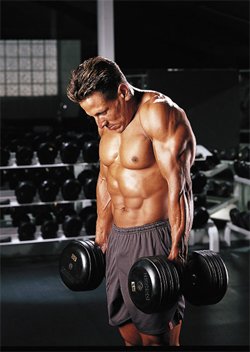
 Shrug it Off
Verdict on A
The athlete pictured here is tucking his chin into his upper chest (neck flexion) while shrugging his shoulders. In this position, the shoulders tend to round forward, placing undue stress on the shoulder joint capsule. Even worse, the flexion of the cervical spine (neck) during this exercise can lead to a neck injury.
Verdict on B

Proper technique is demonstrated when the head is focused forward and the upper chest is held high. Now, the spine is properly aligned, the scapulae are retracted slightly, the shoulders are braced and the upper trapezius will be in perfect position to forcefully elevate the shoulders — building big traps and preventing injury.
By muscleandfitness.com
www.muscleandfitness.com/
Upright EZ-Bar Row
Raise the bar to turn your shoulders into boulders
Start

Stand upright holding a barbell in front of your thighs with an overhand, shoulder-width grip.
Movement 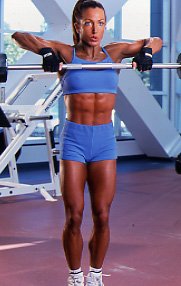 Maintaining an upright posture, lift the bar upward along your body, leading with your elbows to bring the bar toward your chin. At the top, your elbows should be pointing toward the ceiling. Flex your shoulders for a moment, then straighten your arms to lower the bar back to the start.
By muscleandfitness.com
http://www.muscleandfitness.com/
 The Goodness Of MushroomToday's QuestionI've been trying to include more mushrooms in my diet because I heard you say that they're really good for you. But now I've been told that certain ones are carcinogenic! Can you give me the straight scoop on this? -- Anonymous Today's Answer Mushrooms are a big favorite of mine, but if you're just learning about their medicinal properties, I don't blame you for being confused about which ones are -- or aren't -- good for you. In general, I advise against eating a lot of the cultivated white or "button" mushrooms found on supermarket shelves across the nation. They are among a number of foods (including celery, peanuts, peanut products, and salted, pickled, or smoked foods) that contain natural carcinogens. Just how dangerous these natural toxins are is unknown, but we do know that they are not present in other kinds of mushrooms that offer great health benefits.Instead of white mushrooms, I suggest you look for the more exotic varieties which are becoming increasingly available in this country. Some are edible and can make a delicious addition to your diet, but some are strictly medicinal mushrooms, and they come dried or in capsule form. Here's a brief guide to my favorites, in alphabetical order: Cordyceps: A Chinese mushroom used as a tonic and restorative. It is also known for improving athletic performance. You can buy whole, dried cordyceps in health food stores and add them to soups and stews, or drink tea made from powdered cordyceps. You can also get cordyceps in capsule form. To treat general weakness, take cordyceps once a day, following the dosage advice on the product. For health maintenance, take it once or twice a week. Maitake: This delicious Japanese mushroom is also called "hen of the woods" because it grows in big clusters that resemble the fluffed tail feathers of a nesting hen. You should be able to find it dried or fresh in Japanese markets, gourmet foods stores, or upscale supermarkets. Research indicates that maitake has anticancer, antiviral, and immune-system enhancing effects. It may also reduce blood pressure and blood sugar. Reishi: Strictly a medicinal mushroom -- not a culinary one -- reishi is hard and woody and has a very bitter taste. Like maitake and other related mushrooms species, reishi can improve immune function and inhibit the growth of some malignant tumors. It also shows significant anti-inflammatory effects, reduces allergic responsiveness, and protects the liver. You can buy dried, ground mushrooms and use them to make tea if you don't mind the bitterness. Otherwise, I suggest buying reishi tablets or capsules, which are available in health food stores. Follow the recommended dosage, and take reishi every day for at least two months to see what it can do for you. Shiitake: These meaty and flavorful mushrooms contain a substance called eritadenine which encourages body tissues to absorb cholesterol and lower the amount circulating in the blood. One Japanese experiment showed that eating 90 grams (about three ounces) of fresh shiitake a day lowered serum cholesterol 12 points in a week -- it even counteracted cholesterol increases caused by adding butter to the diet. Shiitakes also have antiviral and anticancer effects. Dried shiitakes, available at all Oriental grocery stores, are also effective. Fresh ones are becoming increasingly available thanks to domestic cultivation of this delicious mushroom. Are there any drawbacks to eating mushrooms? It's rare, but some people are allergic, and some find them hard to digest. To learn more about the health-promoting effects of mushrooms, check out www.fungi.com, the Web site of Fungi Perfecti, an excellent source for information about medicinal and gourmet edible mushrooms. By Dr Andrew Weilhttp://www.drweil.com/
 Slow & Steady Wins The Race Suze Orman: The best way to invest in a down market. Investing the same dollar amount every month of the year in the same stock or mutual fund—or dollar-cost averaging—is the single best way to minimize your risk of buying shares at the wrong time. And if you're thinking of investing in the current market environment, when some stock prices are down by as much as 70 percent from their highs, this is the optimum time to use dollar-cost averaging. Why? Let's say you have $12,000 to invest this year and you have picked a mutual fund to put it in. Shares of this fund have gone as high as $15 but have fallen to $10. Now's your time, you think, and you invest all $12,000 in 1,200 shares. Oops! You were wrong. A temporary setback drives the share price even lower, and a year later shares are selling for $5. On paper you've lost $5 a share, for a total loss of $6,000; what's more, you have no money to buy more shares at the lower price (when they may be a real bargain). If you take the same $12,000 and invest it in the mutual fund in stages, at the rate of $1,000 a month over a year, here's how you'll come out: After one year, you own a total of 1,717 shares, worth $8,585 at $5 a share. Even though the price per share is down to $5, your loss on paper is only $3,415, or $2,585 less than if you had bought the fund outright. You also own 517 more shares to profit from should the price go back up. When it's at $10 again, you'll have 1,717 shares, worth $17,170, instead of the $12,000 you'd have if you had bought them all at once. (By the way, if you contribute to an IRA or a 401(k) every month, you're already using the principles of dollar-cost averaging.) This method, like all recommended strategies for investing in the stock market, depends on your having at least ten years before you need the money you invest. By Suze Ormanhttp://www.oprah.com/
 Why Young Families Are Always Broke?Married, with children: These are the real heroes among us. Mercifully, we're clueless about the financial implications when we take our wedding vows. In case you haven't figured it out, the reason you always feel broke is that you are married, with children.It's that simple.Yes, you probably put too much on your Visa bill. And, yes, it's incriminating that you know the exact price of a Starbucks Grande Mocha. But when push comes to shove, such indulgences are minor compared to the real cause.Children.For better or worse, we're clueless about the financial commitment we make when we take our wedding vows.The sad, sad numbersYou can understand exactly why it's difficult to make your paycheck cover your expenses if you'll spend a few minutes thinking about a tool once used by the Department of Labor. It's called the "Revised Equivalence Scale," and it is one of the many devices that have been used to sort out the differences in cost of living for households of different age, size and composition. While academics continue to debate the best tools, a revised equivalence scale that's more than 20 years old tells the story.Let's say that the cost of living for a young married couple without children gets an index number of 100. From there, the revised equivalence scale has an index to represent the cost of living for each size and age of family composition.A young single person, for instance, would get an index of 71.The arrival of a first child takes the index to 127.The arrival of a second child moves the index to 147.The index continues to climb as the children age. It reaches 204 when the older child is 6 to 15 years old and peaks at 231 when the older child is 16 to 17. (The index is apparently unaware that some children go to college.)By Scott Burnshttp://moneycentral.msn.com/
 Financial Peer PressureYou see it, you want it. That's part of being human - no matter how old you are or how much you have. People are forever looking at what other folks have - new clothes, a new car, a new CD - and thinking that they would like to own it, too. Buying things just because they are "what's cool now" can leave with you very little or no savings and a closet full of purchases that you really don't use. According to Linda Goodwin, president of the Children's Financial Network in Chester, NJ, the first step is to accept that you are not going to have it all. "There are choices in life, including financial choices. We all make financial decisions that may not be the best, and we need to live with the consequences," she says.Make a budget - a first step to curbing impulse buyingTo help you make your financial choices, look at how much money you are likely to have over a set period of time - for example, the next three months or a season like winter (December through March). Start by writing down your allowance and income from regular employment. Consider any events where you might receive money as a gift - like a birthday or holiday. Don't include any anticipated gifts in your budget. Wait until you actually receive the gifts before including them. You can always revise your budget to include any changes to your income. Next, write down the things that you want to do or buy during the period and how much each is realistically likely to cost. (Don't worry about items that your parents will cover.) Things you need to plan for might include clothing, sports equipment and activities, such as concerts and eating out. Are you saving for any long-term financial goals, such as college or a car? Do you plan on giving any gifts? Will some money go to charity? Is some cash for spontaneous purchases?
How to decide what to buy - ask yourself these questions If, after making a budget, you discover you want more than you can afford, you'll need to decide what things to get and what to skip. In other words, consider prioritizing the items you want to buy. Maybe there are some items that you can postpone purchasing. You'll have to make some tough choices, and to help you, here are some questions to ask yourself about each item. There are no right or wrong answers. These questions are to help you reflect on your purchasing decisions: Why you want the item? Your best friend might have a new computer game. Do you want the game because you think your friend's cool or because you actually want to play the game?
It's also important to ask yourself if you're trying to keep up with the spending habits of a wealthier friend. It's important to remember that there will always be people who will have more or less money than you. Buying something just because someone has the same item is not a good reason for making a purchase.Will you use the item more than once? Wanting can be more compelling than having. Don't blow a big chunk of your budget on something that never sees the outside of your closet again.
Will a different purchase make you just as happy?
Maybe you can't afford a whole new wardrobe this period, but maybe one or two shirts will be enough to spruce up your look.
What are the things you won't be able to do later if you make this purchase now?
Buy an expensive pair of jeans, and you may not have the money to attend a concert next month.
How will this purchase affect my plan for one of my long-term financial goals?
Too many concert tickets now could put off the day you buy a car, and too many expensive athletic shoes now could put that big ski trip out of reach.What if your spending choices match those of your friends? That's fine - so long as they really are your choices. Get in the habit of making your own decisions about money, and you'll probably be happier about each dollar and purchase you make. Finally, don't ignore your past mistakes. If last year you ran through your December holiday money by the first week of January, you might try to pace yourself this season. Or maybe you bought a CD on a friend's recommendation last year and hated it. You might think twice about taking his advice again, or decide to borrow the CD so you can listen to it before you head to the store.By younginvestor.comhttp://www.younginvestor.com/
 GinkgoImproves tinnitus, relieves Alzheimer's symptoms, reduces inflammation caused by asthma and allergies, fights stroke damage, eases multiple sclerosis outbreaks, lessens peripheral vascular disease and Raynaud's symptomsTalk about late bloomers! Ginkgo, the oldest living tree species on earth, has been used medicinally by the Chinese for some 4,000 years. Yet only in the last two decades have Western medical researchers found evidence that ginkgo may offer hope for a host of age-related problems. Ginkgo trees, also known as maidenhair trees, are often planted on city streets. The tree's fruit smells awful when decomposed and can cause skin irritation, but the almondlike seed within is prized as a commodity in Asian markets.It is the ginkgo's pretty, fan-shaped leaf, not its foul fruit, that excites scientists these days. Although little known in this country outside of health food stores, a concentrated extract of the plant has been the number-one prescription drug in Germany, where it is used to help asthma and circulation problems. And unlike many plant-based therapeutic agents, "ginkgo preparations have been extensively tested in people, not just in animals and test tubes," says Norman R. Farnsworth, Ph.D., director of the Program for Collaborative Research in the Pharmaceutical Sciences at the University of Illinois at Chicago.Powerful Medicine
What's in ginkgo extract, and what can it do? The active constituents include unique compounds called ginkgolides. One of these compounds, ginkgolide B, has been shown to suppress a clot-promoting substance in the human body called platelet activating factor, or PAF. Since PAF is a key player in body processes such as allergic inflammation and asthma, the disease-fighting potential of ginkgo is intriguing. This and other substances in ginkgo extract have shown various benefits for the ills of old age, especially those resulting from decreased blood supply to the brain and other parts of the body. These effects are believed to stem from ginkgo's ability to dilate arteries and capillaries, the tiny blood vessels that nourish the body's tissues.Perhaps most exciting is ginkgo's potential for improving short-term memory loss and depression in elderly people. "The research on ginkgo and Alzheimer's disease is producing extremely good results in France and Germany," says Daniel B. Mowrey, Ph.D., director of the American Phytotherapy Research Laboratory in Salt Lake City, Utah, and author of The Scientific Validation of Herbal Medicine. "It seems that the earlier you catch the disease, the greater the chances that you can reverse it by taking ginkgo extract."The extract has also reduced symptoms of peripheral vascular disease and Raynaud's disease, two painful conditions involving impaired circulation in the feet and hands. And "there are many clinical studies showing it can reduce tinnitus, or ringing in the ears, which affects many older people," according to Dr. Farnsworth.German research performed on laboratory rats confirmed previous evidence that ginkgolide B may minimize the devastation of stroke. And a French study on humans showed that it may even allay bouts of multiple sclerosis.Rx: Going GinkgoRemember, though, the only well-demonstrated benefits of ginkgo have been from a concentrated extract, not from the leaves themselves. Such extracts are available in the United States, and they are labeled as food supplements, not drugs, in accordance with U.S. regulations. Regular use of such products is widespread in Europe, according to Varro E. Tyler, Ph.D., professor of pharmacognosy at Purdue University School of Pharmacy in West Lafayette, Indiana, and author of The Honest Herbal.Ginkgo extract is generally considered safe, says Dr. Tyler, although it has been noted to cause some generally mild side effects, including restlessness and digestive upset. If you experience such symptoms, he advises, discontinue use. And since ginkgo also affects the body's clotting mechanism, Dr. Tyler warns, use it cautiously if you take anti-clotting medications, including aspirin, or have a clotting disorder.Dr. Tyler also warns against ginkgo hype aimed at older folks. "While ginkgo has apparently been effective in treating ailments associated with decreased cerebral blood flow in old age," he says, "claims that ginkgo extract will 'reverse the aging process' and increase longevity are, of course, unproven."By organicfood.co.ukhttp://www.organicfood.co.uk/herbs/ginkgo.html
 Ten Top Natural Beauty ProductsThe global beauty industry is dominated by brands like L'Oreal, Nivea, Wella, Avon and Procter & Gamble. Together, the worldwide market is worth about £110 billion ($160 billion). To give this huge sum of money perspective, we spend more on beauty in the west than we do on education. Which sounds stupid, but is possibly perplexingly clever as both attractive men and women have been found in studies to earn more than their less attractive counterparts.That said, Organicfood.co.uk certainly doesn't recommend rushing to the bathroom just yet... Let's explore what the big guys are selling us. Just look at the ingredients lists on their products and decide if you're happy with them. Sodium laureth sulphate, sodium lauryl sulphate, para-phenylene-diamines, phthalates, parabens and even formaldehyde are almost certainly lurking in your cupboard.So why bother going green in the bathroom? Quite simply, up to half the beauty products you put on your skin end up inside your body! Except the gunk you put on your hair with all the B vitamins, which just sit there and do nothing.So what are we to do? On the one hand, the beautiful people get more fun. On the other hand, they get the chemicals. Well, we recommend changing your definition of beauty. Think of beauty as feeling healthy, happy and empowered, because when you feel that way, you can't help but look gorgeous!Here are some highly effective, modern and simply gorgeous natural beauty products that really deliver the performance you want without any of the nasties. Just remember to think happy thoughts while you're using them, washing away your worries and woes, and smoothing on inner calm and loveliness...1. Spiezia Organic Cleansing CreamMeltingly rich cream made by Cornish based 100% organic Soil Association certified company. It's a dream product containing calendula, chamomile, sage and eucalyptus to cleanse the city out of your skin. Heavenly. Also check out their Night Cream and Night Time Extra.http://www.spieziaorganics.com2. Green People Rosemary and Pink Clay Shower GelGive it a good shake! Then squeeze a tiny amount onto a skin brush and be amazed at the richness of those suds! Fantastic product for problem skin, it will leave you with the smoothest and softest skin you've had since you were a baby. Also check out their SPF8 Edelweiss and Aloe Vera Sun Lotion.http://www.greenpeople.co.uk3. Weleda Iris Intensive Treatment MasqueAll Weleda products contain organic and biodynamic herbal extracts. This super-rich oil-free gel refreshes tired skin and gives you a lift. Pleasant geranium smell, and very eco-friendly packaging, too, Leaves your skin feeling more flexible, especially when proceeded by Iris Cleanser and Toner, and followed by Iris Moisture Cream, Day Cream or Night Cream. Gorgeous!http://www.weleda.co.uk4. Kiss My Face Rough Thyme Gentle ExfoliantDesigned as a gentle shower gel, I also use it as a monthly face wash. It's exotic mixture of cinnamon, clove, thyme and bergamot leaves you zinging, ready for the world to kiss your face. Also check out their Chinese Botanical Moisturiser.http://www.kissmyface.com5. REN Quinoa and Camellia MoisturiserThis stuff's the business. Packed with exotic naturally functional ingredients, REN products are all pretty fab. The packaging looks really great, too, although it's a bit heavy on the plastic to be fully green. This moisturiser is rich enough to offer protection but light enough to be absorbed.http://www.ren-ltd.uk6. Organic Blue Sensual Bath and Massage OilA rich and pungent blend of oils including patchouli and ylang-ylang. Nice blue glass bottle, plus we like the bits of tagged-on philosophy to ponder whilst bathing. Also available are shampoos, shower gels, a range of supplements and vapour blends.http://www.organicblue.com7. Circaroma Geranium, Frankincense and Lavender Hand and Foot BalmPacked with essential and organic oils, this cream is heavy duty therapy for your very driest bits. Gardener's thumb be gone! And sort out those dodgy heels with this think and oily paste.http://www.circaroma.com8. Origins A Perfect WorldThis is a delicious product that makes you feel nice. Full of silver tip white tea, boswelia and walnut extracts, this pre-moisturising lotion really does naturally smooth away tiny lines and blemishes. Origins is owned by Estee Lauder, possibly showing a brighter future direction for the big boys.http://www.origins.com9. Optima Healthcare AloeDent Aloe Vera ToothpasteSo much better tasting than both synthetic toothpastes and many natural non-mint ones, this is gourmet peppermint toothpaste! Also packed with natural tooth and gum care ingredients like echinacea, tea tree oil, vitamin K and horse chestnut. Go get some from your health food store.10. Jason Natural Cosmetics Tea Tree Oil Hair and Scalp Therapy ShampooThis rich and soothing shampoo contains nettle, rosemary, witch hazel, mallow, calendula and comfrey as well as that all-important tea tree oil. Great for irritated scalps, just as good at transforming dry or damaged hair into luxuriant locks. Also look out for their Swimmer's and Sports Shampoo, plus Tea Tree Deodorant.By Ysanne Spevackhttp://www.organicfood.co.uk/